

Responsive Design: Why Your Website Must Adapt to All Devices
Is your website keeping up with the ever-evolving digital landscape? In today’s fast-paced world, having a responsive design is not just a nice-to-have feature – it’s a necessity. With more users accessing websites on various devices, from smartphones to tablets to desktops, your site must adapt seamlessly to all screen sizes. However, aside from that, you should also focus on how your website looks by working with Boston web design. Let’s delve into why responsive design is essential for enhancing user experience, boosting SEO performance, reducing maintenance costs, and optimizing page load speed.
Improved User Experience
 Imagine visiting a website on your phone, only to find that you must constantly zoom in and out to read the content. Frustrating, right? This is where responsive design comes into play. Users can effortlessly navigate through your site without any hiccups by ensuring that your website adjusts smoothly to different screen sizes. A seamless user experience keeps visitors engaged and encourages them to explore more of your site’s offerings. With responsive design, elements like images, text, and buttons are optimized for each device, creating a consistent look.
Better SEO Performance
When it comes to optimizing your website for search engines, having a responsive design is crucial. Search engines like Google prioritize mobile-friendly websites that provide a seamless user experience across all devices. You can improve your SEO performance significantly by ensuring that your website adapts to different screen sizes and resolutions. A responsive design helps search engine crawlers index your site more effectively, leading to higher rankings in search results. Moreover, with a responsive design, you avoid the issue of duplicate content that can arise from having separate desktop and mobile versions of your site. This can prevent any negative impact on your SEO efforts and ensure that your website remains visible to potential visitors.
Cost-Effective Maintenance
Maintaining a website can be costly, but with responsive design, you can save money in the long run. How? By having one website that adapts to all devices, you eliminate the need for separate designs and updates for different screen sizes. This streamlines maintenance efforts and reduces overall expenses. Additionally, responsive design decreases the chances of encountering issues on various devices since your site adjusts automatically. This means less time spent troubleshooting specific device-related problems and more time focusing on other essential aspects of your website.
Faster Page Load Speed
 When it comes to website performance, one crucial factor that can make or break user experience is page load speed. Picture this: you click on a link and have to wait for what feels like an eternity for the page to load. Frustrating, right? A slow-loading website tests your patience and increases the likelihood of visitors bouncing off your site in search of a faster option. That’s where responsive design plays a significant role.
By optimizing your website for different devices, you ensure that it loads quickly and efficiently across all platforms. Responsive design ensures that your website reaches its full potential in today’s multi-device world. By prioritizing user experience, SEO performance, cost-effectiveness, and page load speed through responsive design practices, you set yourself up for success online. Make the switch to a responsive website today and reap the benefits it brings to both your business and visitors alike. We hope that you have found this blog post helpful.…
Responsive Design: Why Your Website Must Adapt to All Devices Read More
 Your website should be easy to navigate, so potential customers can quickly find the information they’re looking for. Use drop-down menus and search bars to help them narrow down their options.
 Having a great user experience shows that you care about your visitors and their needs. This can help you gain the trust of your visitors, which is vital for building credibility and conversion rates. To improve your user experience, start by looking at your website design and navigation. Make sure it’s easy for visitors to find what they’re looking for and that your site is responsive and mobile-friendly. Also, consider adding customer testimonials and trust symbols to help build credibility with your visitors.
 A good user experience can also help you attract regional audiences. If your site is designed for a specific region, it will be easier for people in that region to find and use your site. This can lead to more traffic and conversions from your target audience. To improve your user experience, ensure your website is available in the languages of your target audience and that your site is designed for their needs.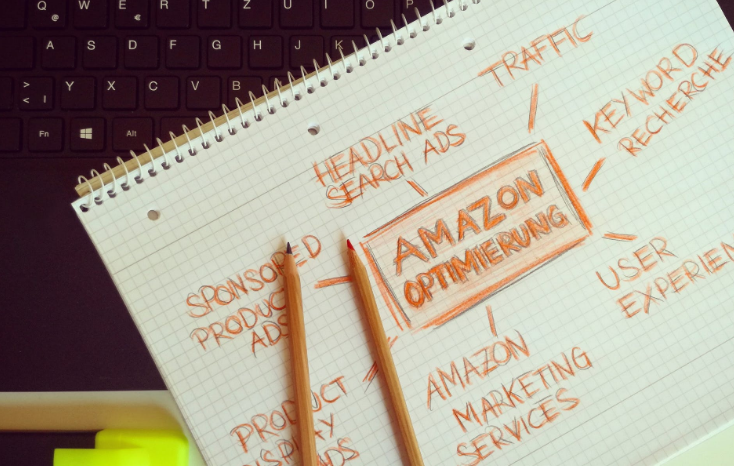

 Once I began composing SEO content, it was not unusual for customers to request content using a 5, 10, or 15 percent keyword density. You understand those kinds of posts you find which have the keyword phrase repeated over and over again. Avoid overusing the keywords, as it will make your content bland.

 If you purchase an advertisement, a fantastic number of people may see it. There is a possibility that some proportion of them may wind up buying your product. This greater conversion rate is a benefit of search engine optimization. Google gets people who hunted for the information and retains the information. A hit against Google is worth a lot more than advertisements.
 People trust almost anything that comes from the Google search page. You can turn your website into a reputable firm by applying this technique. The lower you have positions on Google results page, the more people are doubtful about your website. In some instances, Google incorporates a place devoted to you at the top, especially if it is a high degree posting with various sub-pages listed under the first landing page, it gives your website a ranking and brand worth.